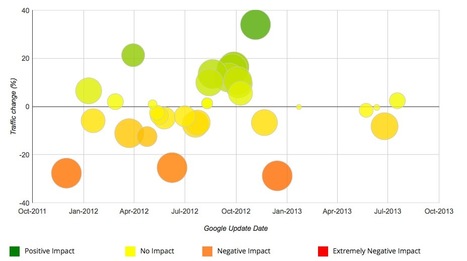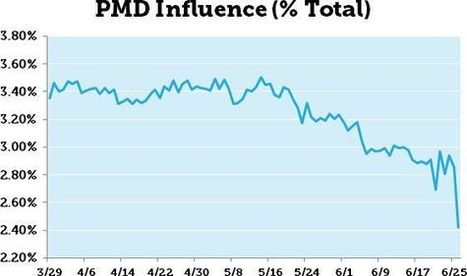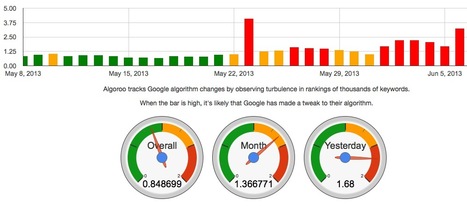

"What Google Panda has done is made social media connections a bigger part of their SEO algorithm; in other words, the more connections a person has, the more likely some of their material they have read or recommended will show up in the person's search engine results page.
...
For example, Craig is looking for information on vacuum cleaner repairs, they do a Google search for the term "vacuum cleaner repairs."
If Craig is not logged in to Google, or does not have many connections, Google will present him with the most objective posts that rely on the typical search engine optimization techniques. He will most likely be presented with the best optimized site about vacuum cleaner repairs.
But, if Craig is active on social networks like Twitter, is connected to a lot of people on Google+, and even has someone in his Google Contacts list, Stacy, who has a keen interest in vacuum cleaner repair shops, then anything Stacy has said about vacuum repair is going to appear on Craig's search engine results.
If Stacy has left a comment on a vacuum repair page, or shared a vacuum repair blog post, or even written a vacuum repair blog post herself, then her results will show up on Craig's page."


 Your new post is loading...